

loader image

The residence

A place that encapsulates the history and culture of our land. A refuge from the frenetic city life. While maintaining the character of a home, it offers luxury hotel-level amenities and antique-modern finishes.  

There are houses that don't
they furnish themselves: yes
they inherit

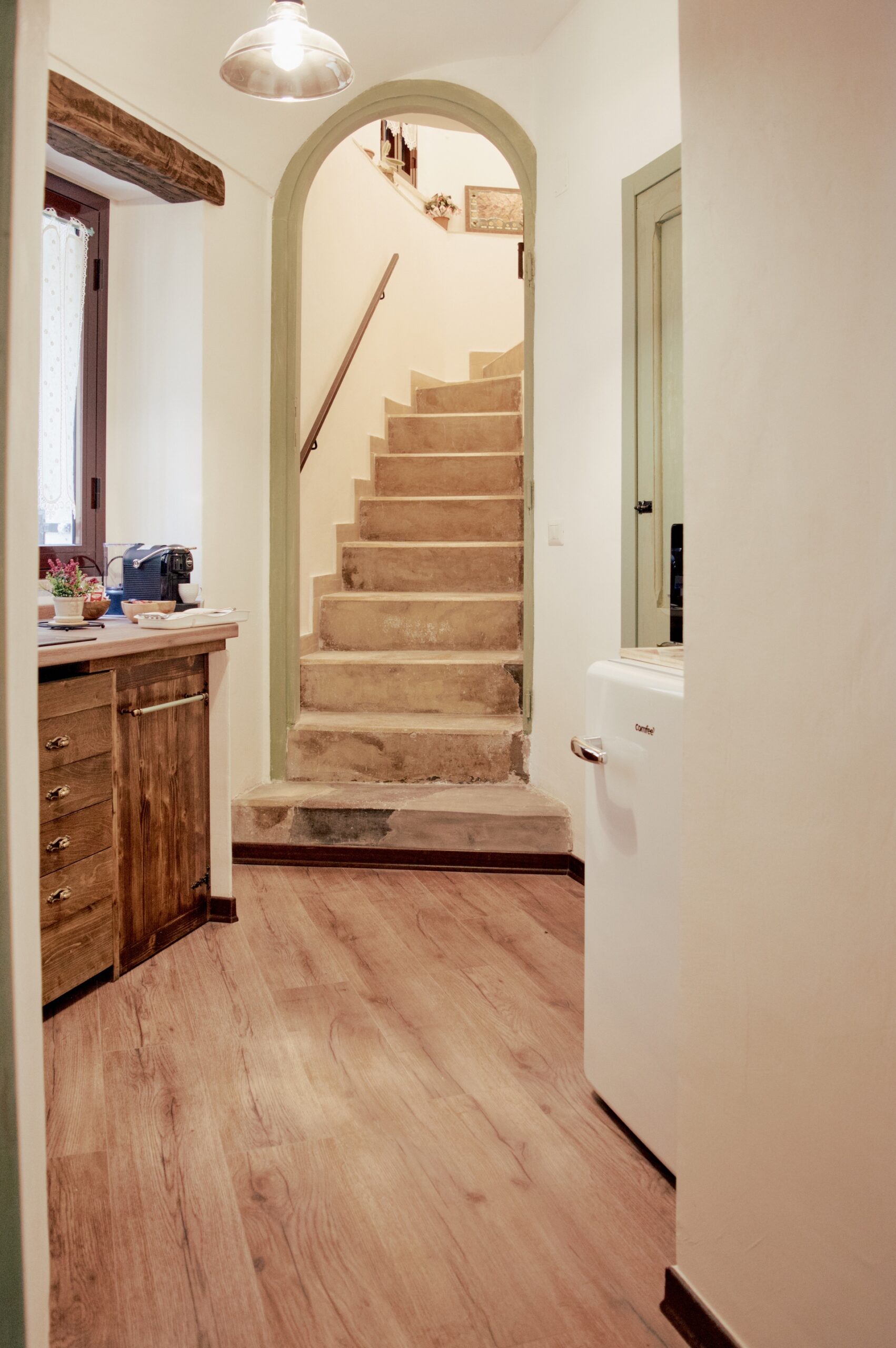
This was a village house like any other: stone walls, narrow stairs, small rooms to keep warm in the winter.

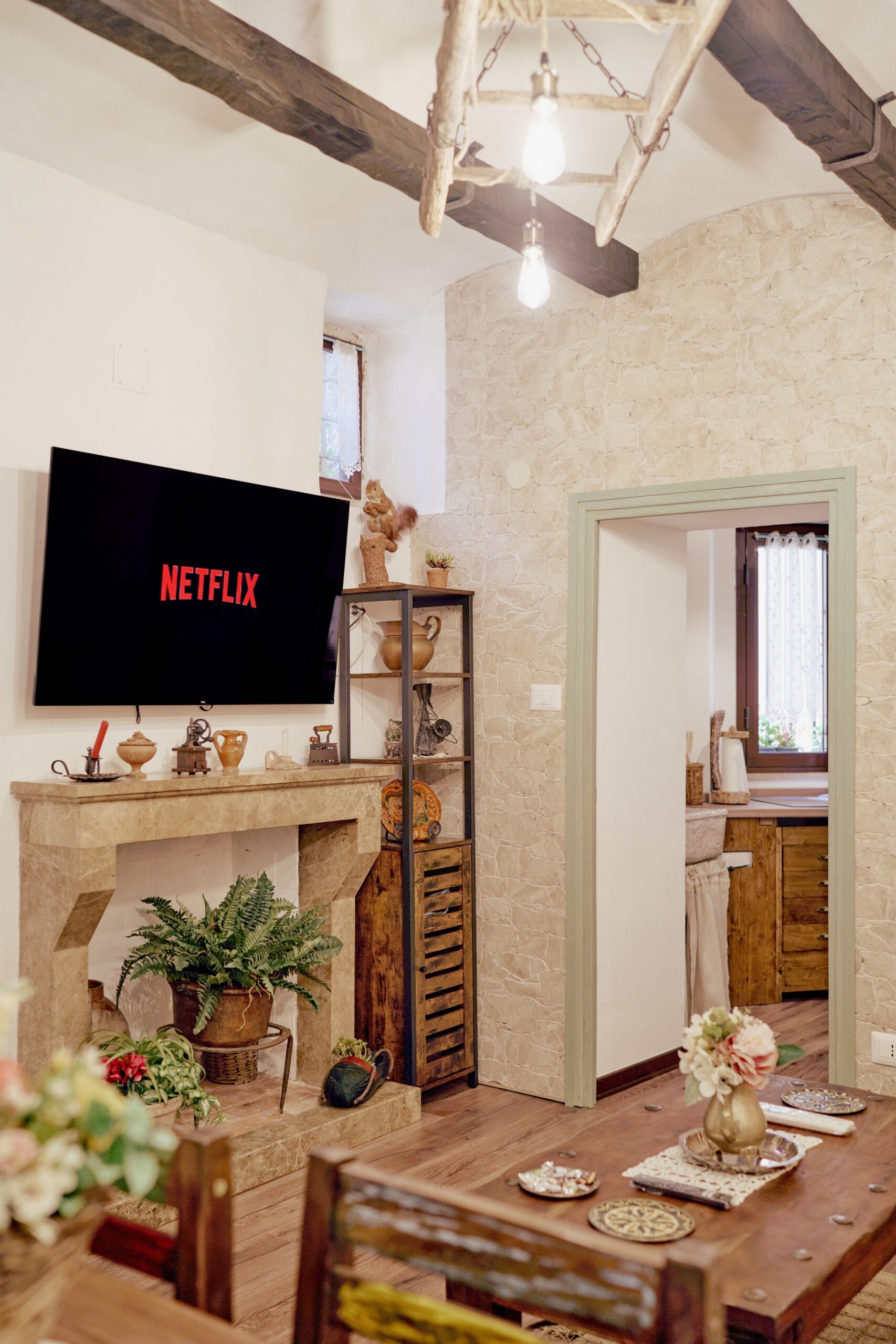
The renovation didn't erase any of this. It removed what wasn't needed and left the door, the beams, the embroidery, and the cupboard where they once were. Then it added the things that make a house habitable today—and placed them where they wouldn't get in the way.

The result is neither a museum nor a hotel. It's a home where you can stay, and which carries with it the memory of those who passed through it: travelers, merchants, and the bandits who gave these mountains their name.

The inventory

Nine details not to be missed

None of these things were created to furnish: each has an origin, and almost always a name too.

01

The door

It dates back to 1930 and was handcrafted by a craftsman from San Donato. It's the entrance to the Cedrone room: we didn't replace it, just restored it.

02

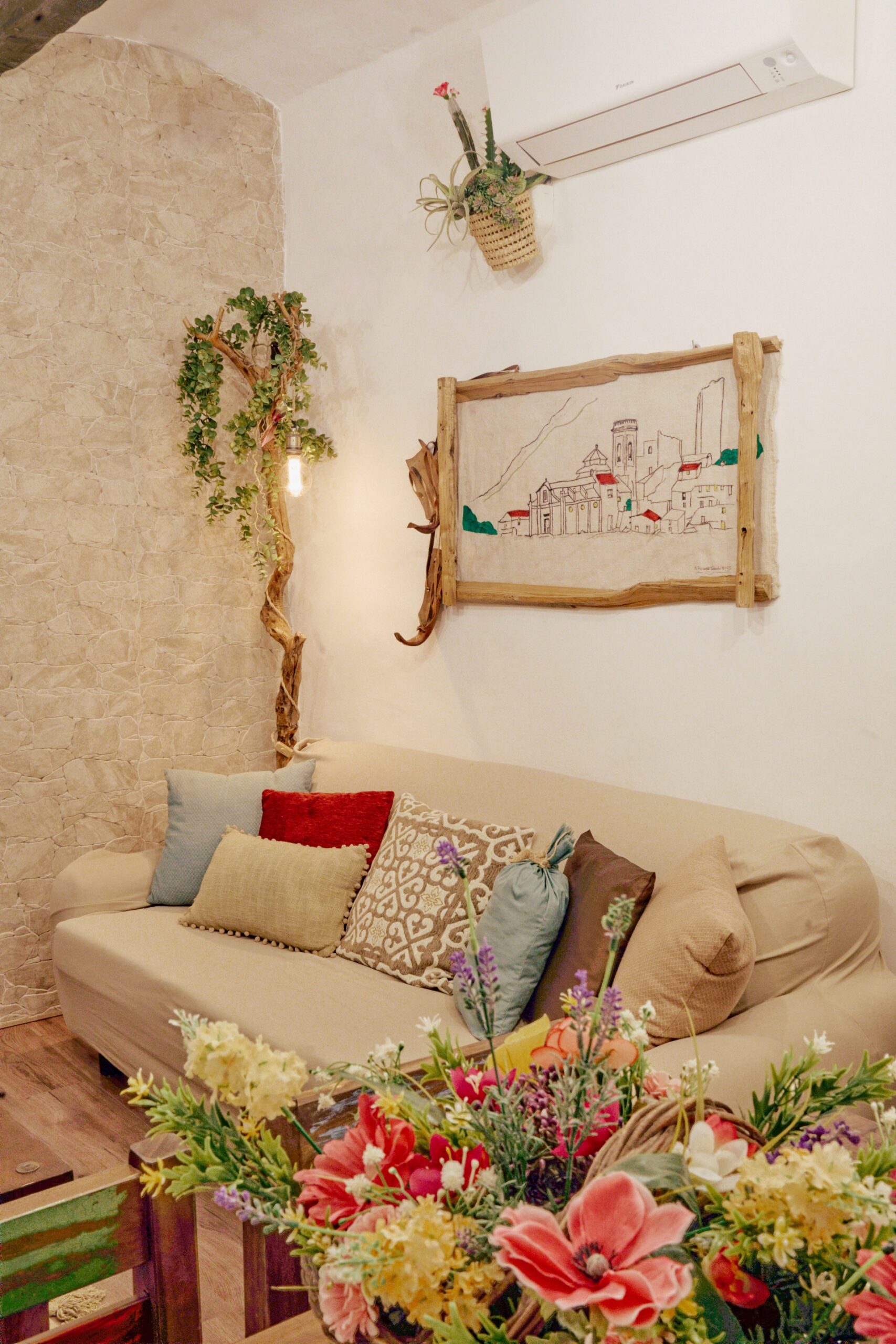
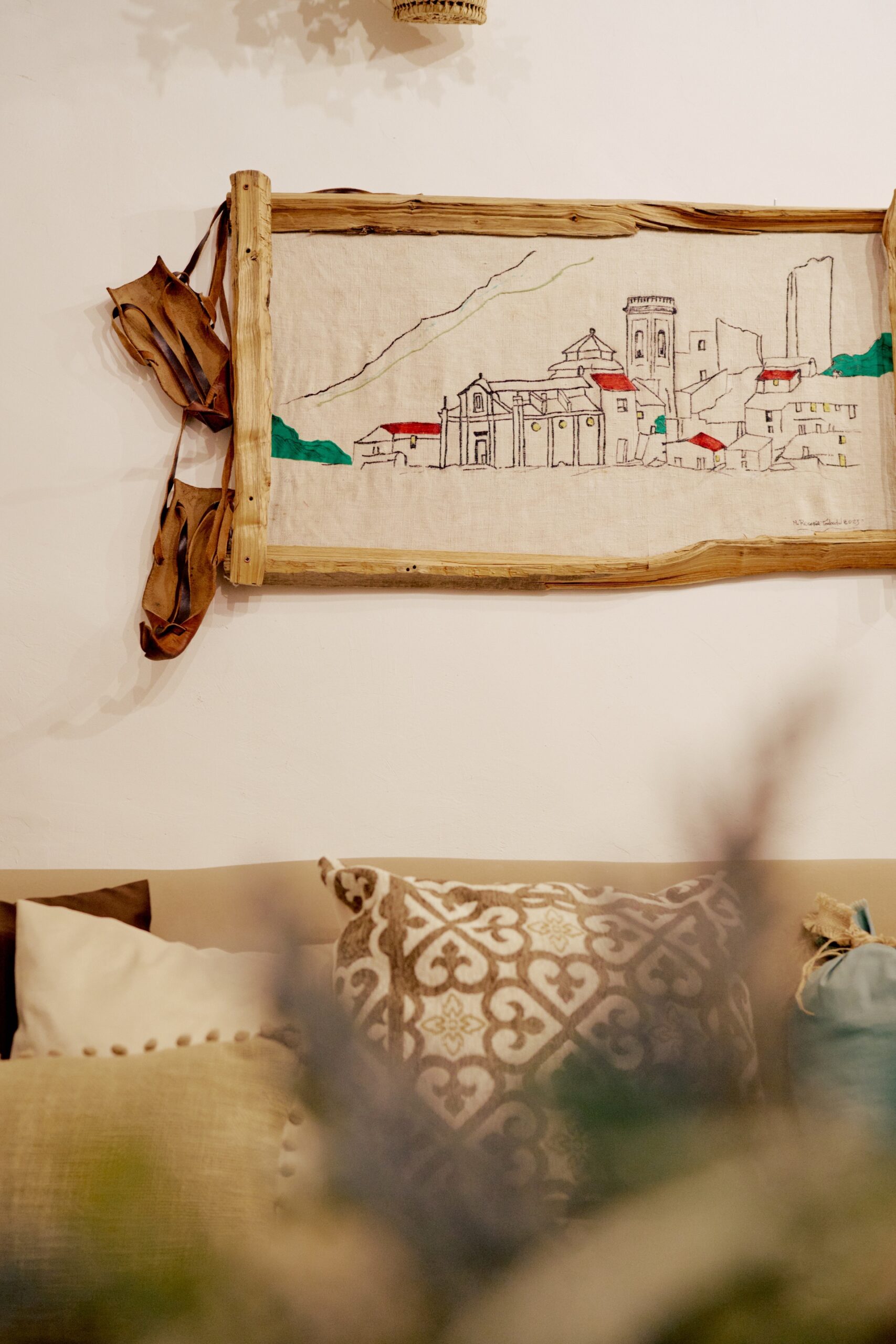
The embroidery of the country

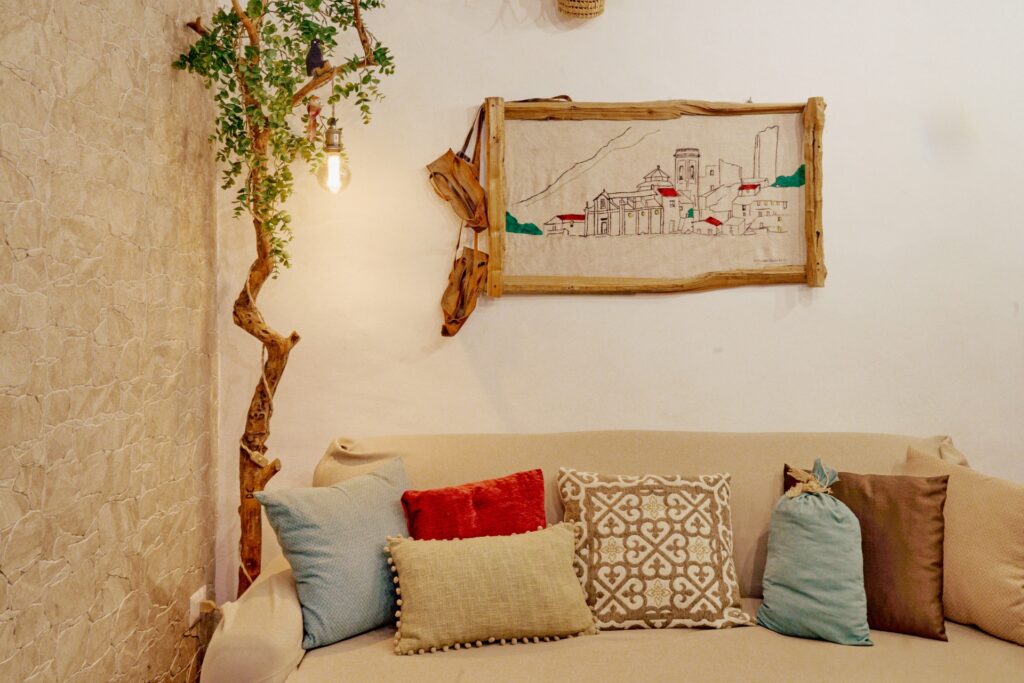
In the living room. The outline you see isn't a decorative drawing: it's the silhouette of San Donato seen from the valley.

03

The keys

Hung in the bedroom. They opened locks on houses that no longer exist; we kept them because iron lasts longer than doors.

04

The brigand's door

Painted at the beginning of the corridor. It tells the story of Rosa Cedrone, who has never left these mountains.

05

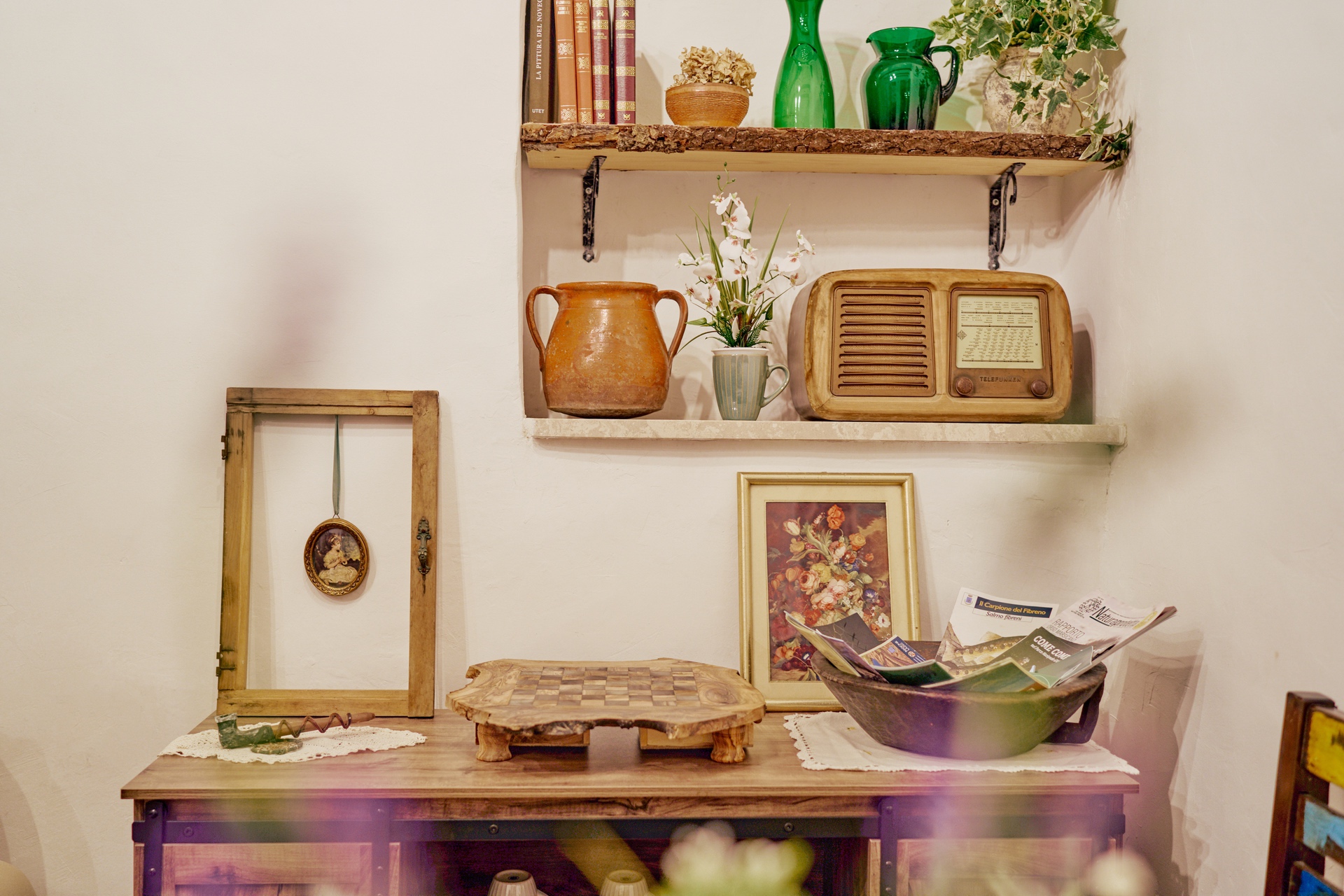
The radio

On the sideboard, with the objects that were around it. It doesn't work anymore, and that's fine.

06

The doilies

Crocheted by the village grandmothers, the Cedrone room features numerous designs by skilled ancient hands.

07

The stone sink

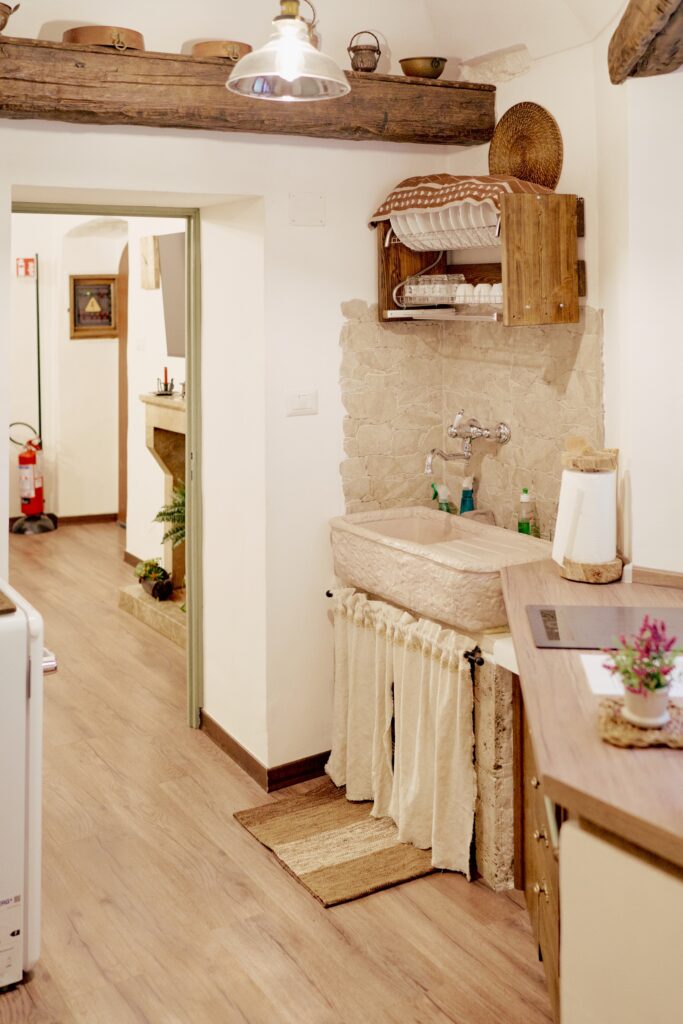
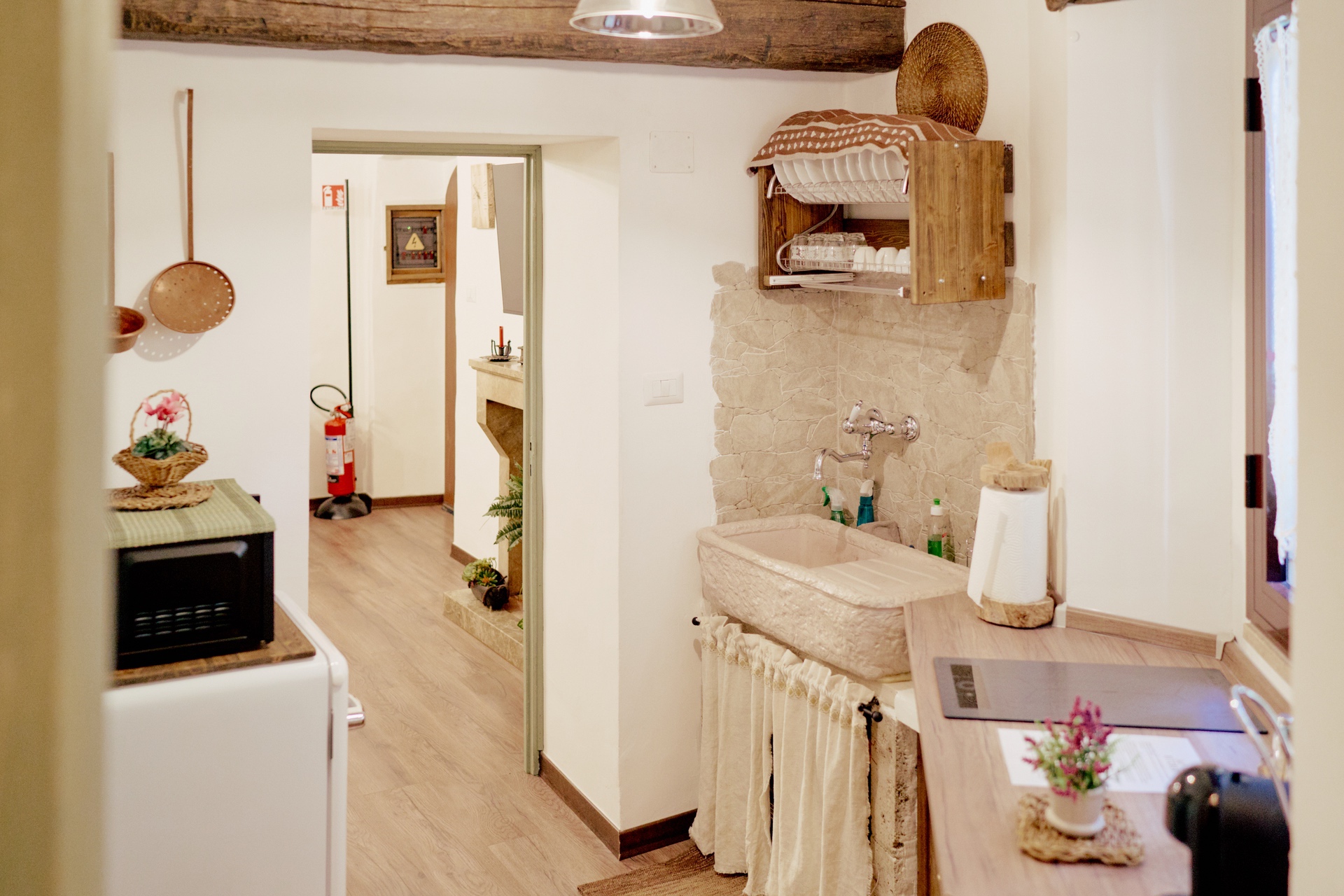
In the kitchen. Carved from a single block by stonemasons, the trade that built half the walls of San Donato.

08

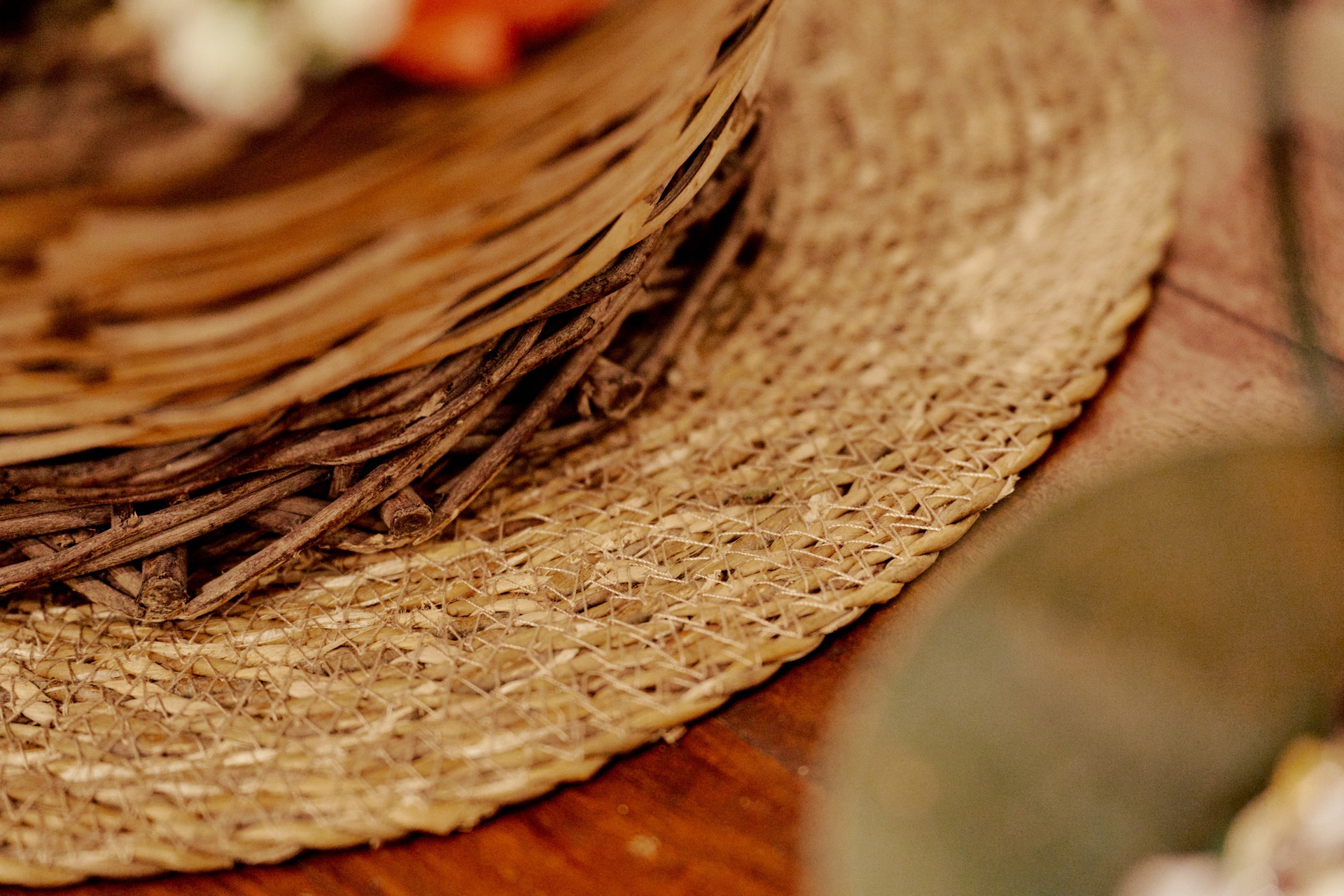
The wicker weave

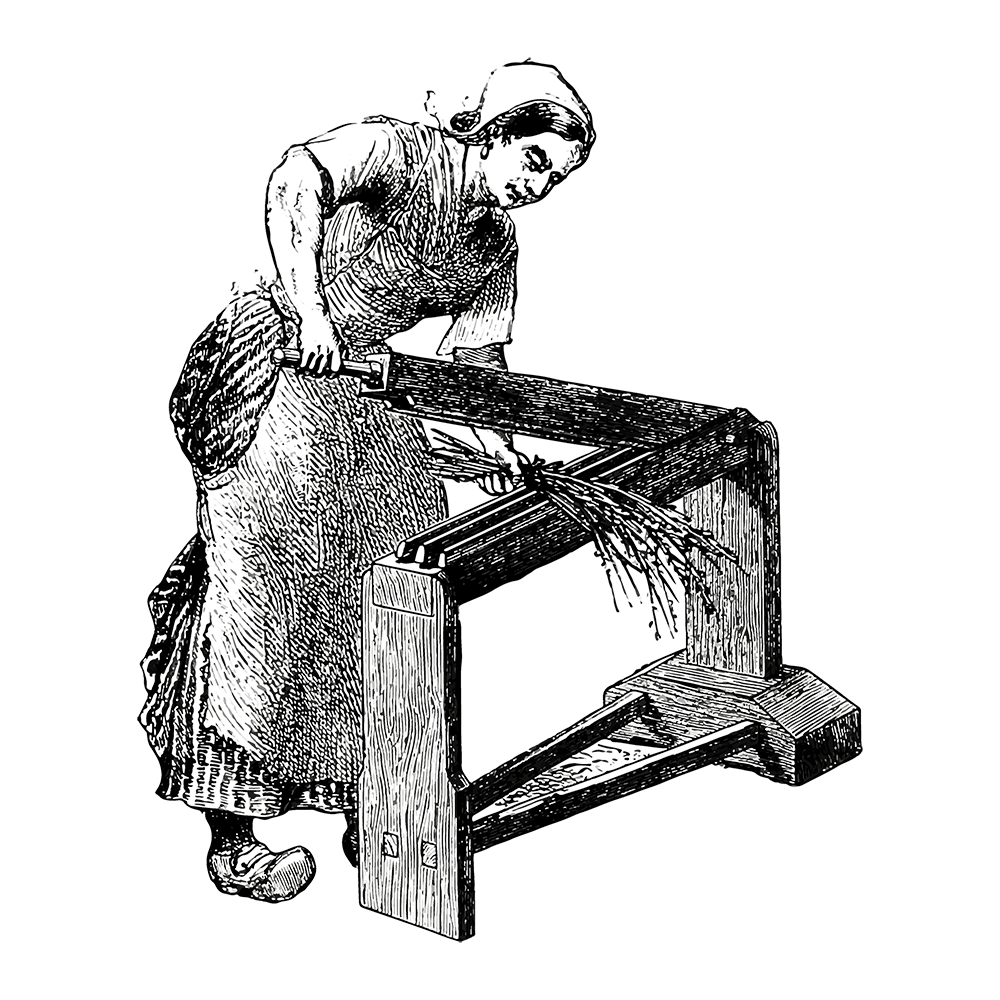
A detail resting on the wood: straw and wicker worked by hand, like the baskets used to be made for harvesting.

09

The leather bag

With an embroidered cloth. Travel stuff, from when people crossed mountain passes on foot to get from one country to another.

The silence of the mountain,
the soul of the village

The spaces

An entire house, not a room

There are three shared spaces, and they remain yours: you don't share anything with strangers.

The kitchen

The sink is made of stone. It's the room where we end up talking, when we come home with tired legs.

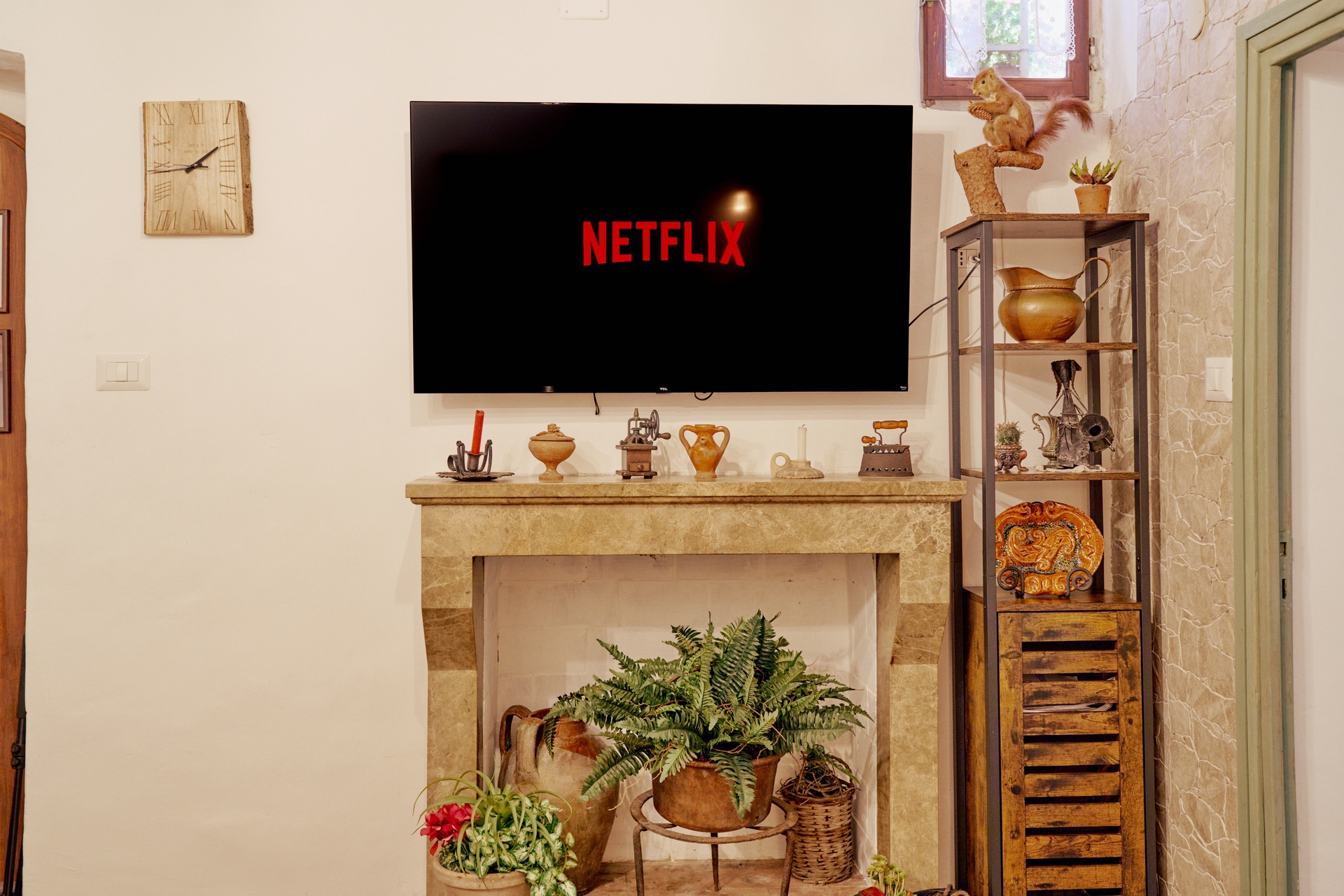
The living room

A warm environment and not by chance: it is the place where you can live the warmest experience.

The bathroom

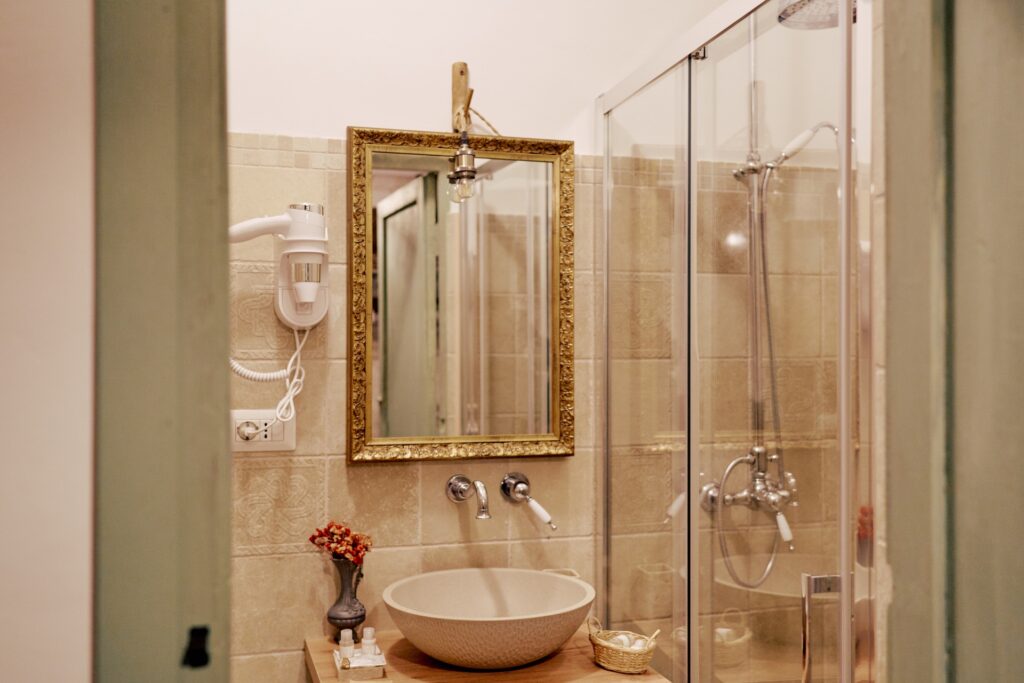
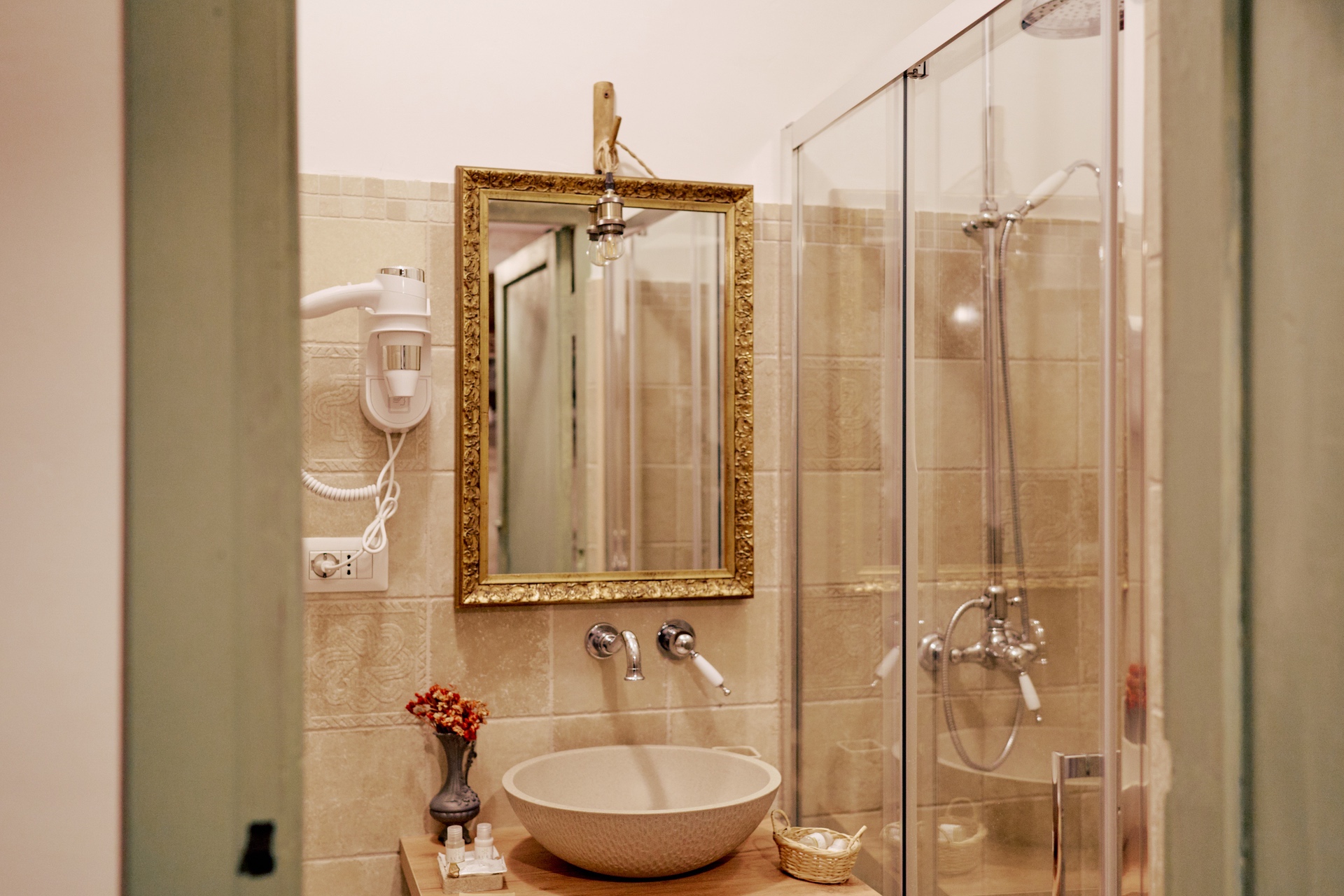
Simple and complete, with plenty of hot water: after a day of walking, it matters more than anything else.
The hands

Who did these things?
he did it by hand

Doilies, door frames, embroidery: these were the trades in the village, and some still do them. The blacksmith works iron as it used to be; the stonemason cuts the same stone as the walls of the house.

If you want to see them up close, the shops are just a few minutes away from here and they run the laboratories.

The rooms

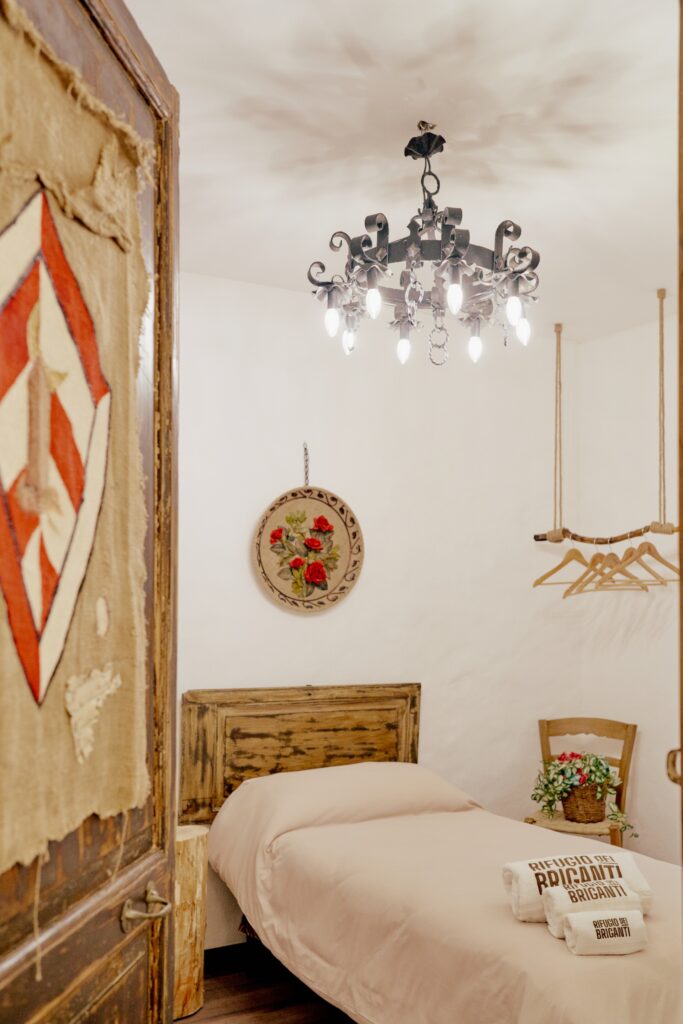
Chiavone is the big one, Cedrone is the smaller one at the end of the corridor. They were two real people, not two decoration themes.

Room of the Brigand Chiavone

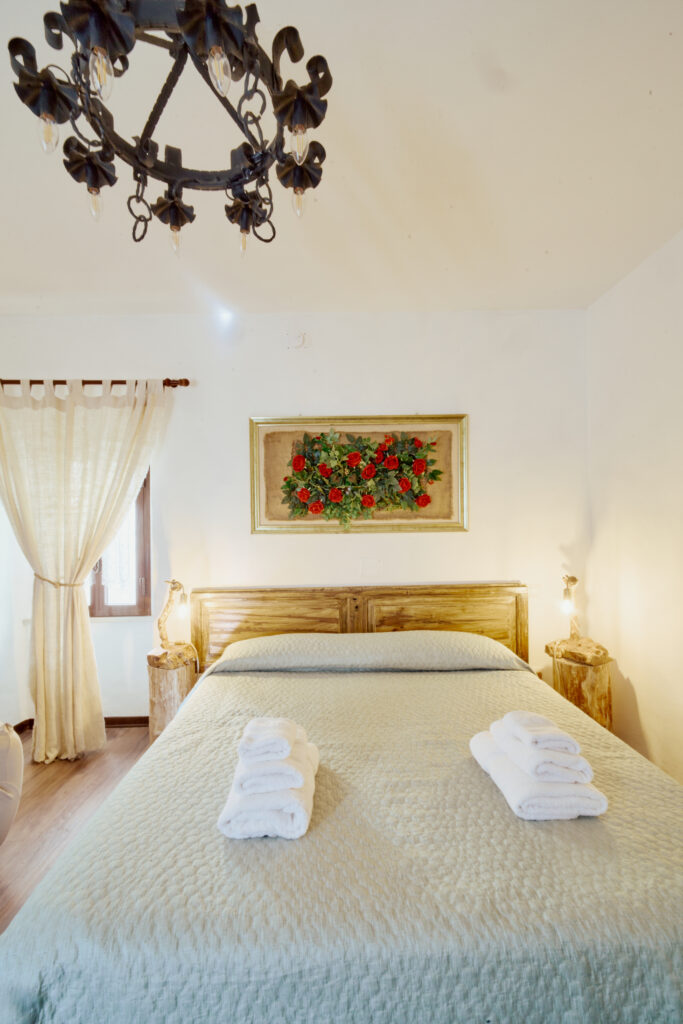
It has a carved wooden headboard and windows overlooking the alleys and rooftops. It is the larger of the two.

Room of the Brigandess Cedrone

It has exposed stone and crocheted doilies, and the painted door is just outside.
Pictures of the house

Sweet glances

Frequently Asked Questions

Opening hours, keys, parking:
the usual questions

The answers we give most frequently are collected in the FAQ. If you don't find yours there, please email us.
San Donato Val di Comino, Italy